
Dog Pool
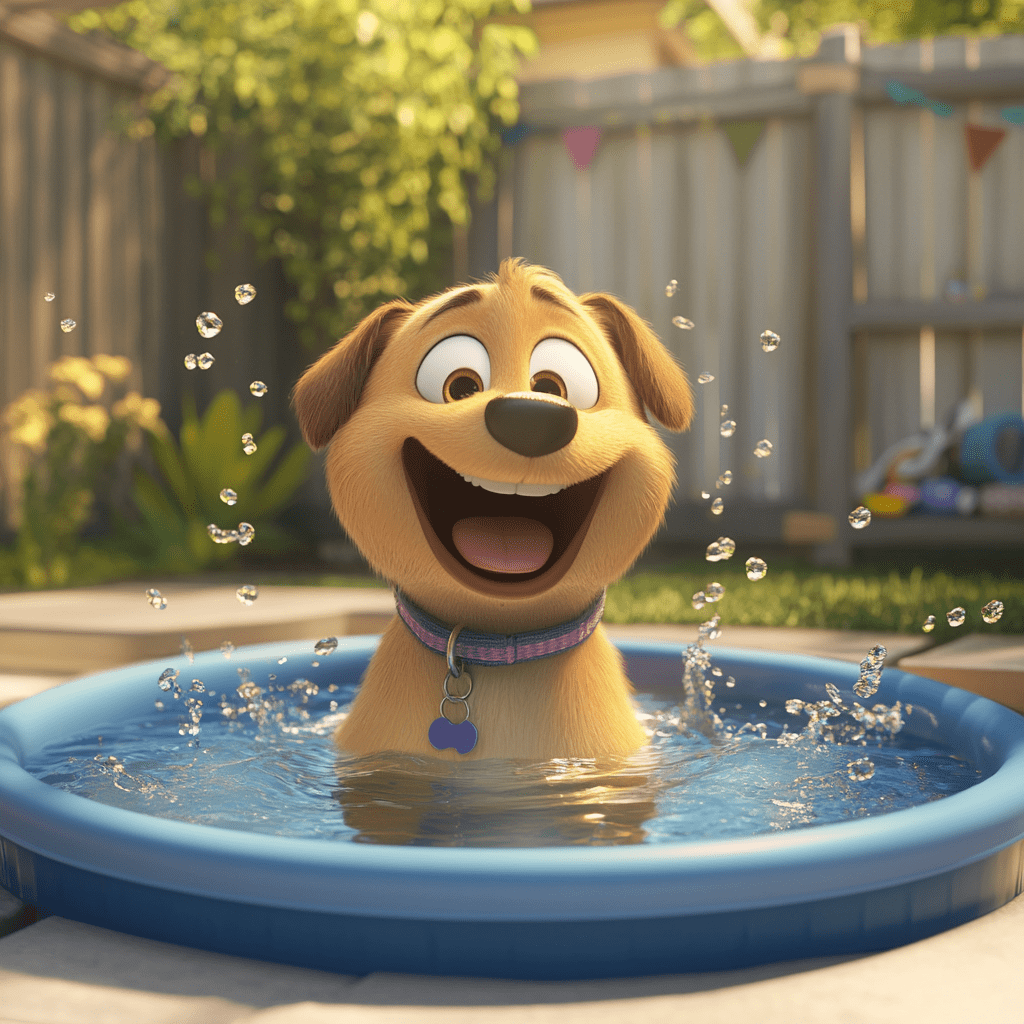
Dog pools are essential for pet owners wanting a safe and fun way for their furry friends to cool off. Hard-sided dog pools are particularly notable for their durability, made from robust materials like steel and resin. Unlike flimsy alternatives, these pools can withstand the energetic antics of dogs, ensuring they remain intact even when pets attempt to climb out.
To learn more about Geo-Sniffing, visit our games page or homepage.
All Foldable Dog Pools Suck
When considering the best dog pool options, the top three are kiddie pools, preformed pond liners, and hard-sided human pools. Kiddie pools are budget-friendly and easily accessible, providing a fun and durable option for pets. Preformed pond liners offer robust durability that withstands regular use without puncturing, while hard-sided human pools add the benefit of versatility—allowing both you and your dog to enjoy the pool togethe
Dog Pool & Your Options:
Lorem ipsum dolor sit amet, consectetur adipiscing elit. Ut elit tellus, luctus nec ullamcorper mattis, pulvinar dapibus leo.
1) $20 Kiddie Pool
2) $40 Foldable Pools
Despite their marketing claims they all lack the durability that matters most for regular use. These pools may be touted for their convenience, particularly their storage and foldability, but this design comes with numerous issues. Read below why you should not get one.
How To DIY Them Better
- Add Liners
- Add a “deck” around them
- Burry them into the ground
- Get a tube and siphone the water out using gravity rather than the spout
3) $60 Peanut Preformed Pond Liner
While traditional dog pools may be cheaper upfront than the 30-gallon peanut-shaped preformed pond liner, investing in the liner can save money in the long run. Unlike foldable dog pools that often need to be replaced year after year due to punctures and wear, the durable design of the peanut liner ensures it will withstand regular use without the risk of collapsing or tearing.
4) $800-$2,000 Hard Sided Human Pool
Hard-sided pools are known for their exceptional durability, making them an excellent choice for pet owners. Unlike flimsy inflatable or soft-sided options, these pools are constructed from robust materials like steel, aluminum, or heavy-duty resin, which can withstand significant wear and tear.
Tip: Install a ramp for easy in and out

Why The $40 "Pet Pools" Suck
Durability Issues: While foldable dog pools like the Jasonwell, Yaheetech, KOPEKS, FrontPet, Yaheetech models claim they are made with durable PVC its just the covering. The entire pool is not made with PVC. This means exposure to sharp nails and rough terrain can puncture the material, especially with larger or active dogs. There is not a single foldable dog pool that is durable. Don’t let marketing fool you. Additionally, many of these pools have sides reinforced with cardboard or MDF, which makes them flimsy. Over time, the sides may lose their shape and collapse, particularly after repeated folding. Tips: Completely clear out the area you are going to place the pool of rocks, sticks, and debris. Trim your dogs nail regularly and place a pool liner in the pool.
Material Issues: Many of these pools have sides reinforced with cardboard or MDF, which makes them flimsy. Over time, the sides may lose their shape and collapse, particularly after repeated folding. Tips: Make a deck around the pool so your dog does not destroy the side. Or you can burry it in ground.
Cleaning Issues: Cleaning foldable dog pools can be difficult due to the ridges and folds that trap mold and dirt, making thorough scrubbing challenging. The internal materials, often cardboard or MDF, can absorb moisture, contributing to mold growth and complicating maintenance. Tips: Rinse the pool thoroughly after each use to prevent mold and dirt buildup. Ensure the pool is completely dry before storing it to prevent moisture from accumulating and promoting mold growth. Adding a liner also helps with the is problem.
Drainage Issues: Foldable dog pools often feature side drains positioned about 2 inches off the ground, requiring users to tip the pool to empty it completely. This design renders the drain less effective, as users still need to lift the pool for thorough water removal. Additionally, these drains can be prone to leaking. Tips: Instead of relying on the built-in drain, using a tube for gravity siphoning can provide a more efficient solution. This method allows for complete water removal without the risk of causing it to leak due to normal usage.
Foldable Dog Pools
When looking for dog pools made with UV-resistant materials, there are a few options that can withstand prolonged exposure to the sun without degrading:
- This pool is popular due to its durable PVC material, which includes UV protection to reduce damage from sun exposure. It’s designed to last longer even when used outdoors
- Made from high-grade, UV-resistant PVC material, the KOPEKS pool is another sturdy option for outdoor use. It is designed to be resistant to both punctures and sun damage, making it suitable for long-term outdoor setups
- This pool is built from UV-protected PVC material, allowing it to hold up well in direct sunlight. The reinforced material helps prevent fading and weakening over time
Intex Metal Frame Pool (repurposed for dogs)
- Though not a dog-specific pool, the Intex metal frame pool is constructed with UV-resistant PVC, making it a strong option for dog owners who want a large, durable pool that won’t degrade quickly in sunlight

Does Your Dog Even Like Water?
How To Teach Your Dog To Swim At The Beach
Teaching your dog to swim at the beach is the easiest method because the gradual incline of the shoreline lets them enter the water at their own pace. It’s crucial to start on a calm day with no waves; rough surf can create anxiety and lead to an aversion to water. Avoid forcing your dog into the water; instead, encourage them by throwing a toy into the shallow area. Over time, you can gradually throw it deeper, allowing them to acclimate slowly
How To Teach Your Dog To Get In The Kiddie pool
To teach your dog to get into a kiddie pool, start by training them to enter a box. Place a toy inside the box and reward your dog with a cookie when they go in. This positive reinforcement will help them associate entering the box with a reward. If this method doesn’t work, help your dog become comfortable with uneven surfaces first by encouraging them to walk over large pillows or baking sheets while on a leash. This will build their confidence before tackling the pool’s surface. Once they’re comfortable with the uneven surface, return to the box training. After your dog successfully enters the box, you can put the command “in” on cue, which you will later use for the kiddie pool. Gradually transition this command to the pool, making the process as stress-free and enjoyable as possible for your dog
How To Teach Your Dog To Swim In A Human Pool
To teach your dog to swim in a human pool, the most important thing is ensuring they know how to exit the water. You should be in the pool with them during the process. Start by carrying them into the pool, then guide them to the exit. Repeat this process several times so your dog becomes familiar with the exit point. By reinforcing this behavior, you help them feel safe and confident in the water.To teach your dog to get into the human pool on their own, use a toy as a lure. Make sure you are in the water so you can guide them to the exit.
Which Breeds Like To Swim
- Labrador Retriever
- Golden Retriever
- Newfoundland
- Chesapeake Bay Retriever
- Curly-Coated Retriever
- Irish Water Spaniel
- American Water
- Spaniel
- Spanish Water Dog
- Standard Poodle
- English Setter
- Australian Shepherd
Which Breeds Do Not Like To Swim
- Chihuahua
- Pug
- Bulldog
- Basset Hound