
Why is my dog sniffing so much all of a sudden
Changes in their environment cause a dog to start sniffing things more than usual.
- A Rodent: If your dog is suddenly sniffing everything, they may have detected a rodent’s scent. Even faint traces can lead them to investigate every corner where the scent lingers.
- Dropped Food: If your dog is suddenly sniffing everything, they may have found crumbs or food traces around the house, prompting them to explore every scent-filled corner.
- Previous Pee Spots: Even after cleaning, tiny urine traces remain that dogs can still detect. Their sensitive noses pick up on these faint residues, often drawing them back to the same spot.
- Cleaning Products: Different products can alter the scents they’re used to, so they might need to familiarize themselves with these smells.
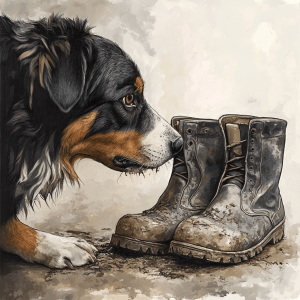
- Scent on Shoes: If you bring something home on your shoes, such as scents from other animals or outdoor spaces, your dog will pick it up quickly and likely explore it through sniffing.
- Getting Ready to Pee or Poop: Dogs sniff the ground or nearby objects before peeing or pooping to find the right spot, often guided by scents left by other animals, which helps them feel secure.
- Health Signals: Sniffing can sometimes be a sign of health issues or discomfort, especially if it’s excessive or your dog is sniffing frantically. These health-related causes include.
Common Health Issues
- Dental Pain: Dogs may sniff obsessively at their own faces or other dogs’ faces if they’re dealing with dental issues.
- Nasal Discomfort: Allergies or irritants in the nasal cavity can cause a dog to sniff repeatedly to clear their nose.
- Ear Infections: Pain or discomfort in the ears may lead to head tilting, sniffing, or nudging.
- Digestive Issues: Dogs experiencing bloating or discomfort might sniff around, trying to understand the source of their discomfort.
- Neurological Issues: In rare cases, behavioral changes like sudden or excessive sniffing could indicate neurological conditions that disrupt normal behaviors.
- Urinary Tract Infection: Discomfort from a UTI can cause dogs to sniff frequently at their own genital area or near surfaces where they might have urinated.
- Bladder Stone Obstruction: Dogs with bladder stones may need to urinate often or have trouble urinating, leading them to sniff persistently around areas where they typically relieve themselves.

When Sniffing Could Indicate a Concern
- Anxiety: Dogs may sniff frantically if they’re anxious, especially if they’re in unfamiliar surroundings or experiencing changes at home.
- Physical Discomfort: Constantly sniffing the air, especially combined with head tilting or sneezing, could suggest an upper respiratory issue or allergy.
- Dissociative Sniffing: dogs often use sniffing as a form of dissociative behavior when they’re stressed
Should I Be Concerned if My Dog Keeps Sniffing Me?
Medically, Yes if your dog consistently sniffs you or a particular spot on your body with unusual intensity, it’s wise to take notice. There are many stories of dogs alerting owners to health issues. For example, one woman noticed her dog repeatedly nudging and sniffing her stomach. After a doctor’s scan showed nothing, the behavior continued for six months. When she returned to the doctor, another scan finally revealed early-stage cancer. Dogs can often detect illnesses, such as cancer, before any medical tests reveal them, thanks to their acute sense of smell.
Context Matters!
Why Do Dogs Sniff the Air?
When dogs sniff the air, it’s their way of detecting scents from a distance. Wind can carry various scents, such as animals or people nearby. Sniffing the air can help a dog feel more aware of their surroundings.
Why Is My Dog Sniffing the Air and Looking Up?
If your dog sniffs the air and looks up, they may be trying to locate a scent carried by the breeze or from an elevated spot, like birds or other wildlife. This behavior could also suggest they’re alert to unusual sounds or movements above them.
Why Is My Dog Sniffing Around the House or Room?
Dogs often sniff around the house when they detect new smells. It could be as simple as a new item in the house, a change in scents from cleaning products, or even your recent outing. When dogs sniff around a room intensely, they might also be detecting the scents of previous pets or visitors.
Why Do Dogs Sniff You When You Come Home?
When dogs sniff you as soon as you get home, they’re analyzing the “scent story” of your day. A dog’s nose can detect what you touched, who you interacted with, what you ate, and even if you encountered other animals. This behavior is not only a form of greeting but also an information-gathering ritual that helps them stay connected to you and feel reassured
Why Do Dogs Sniff Around Before They Poop?
Dogs typically sniff the ground before they poop to identify a “safe” spot. Scent is also a way dogs communicate with other animals, marking their territory with a specific spot choice. This ritualistic sniffing helps them ensure they’re not intruding on another animal’s space.
How Strong Is a Dog's Sense of Smell?
Dogs possess an incredibly powerful sense of smell, estimated to be 1,000 to 10,000 times stronger than a human’s. This remarkable ability allows dogs to remember scents and detect subtle changes in their environment. Whether sniffing the air or ground, they gather information from scents left by other animals, people, and even changes in the atmosphere.
How Different Ages Influence a Dog's Sniffing Habits
A dog’s sniffing behavior can vary by age:
- Puppies: Everything is new, so puppies tend to sniff constantly as they explore and learn about their environment.
- Adults: Adult dogs may have a more refined sniffing pattern, investigating specific smells with greater purpose.
- Senior Dogs: Older dogs may sniff less or exhibit more obsessive sniffing patterns as they encounter age-related changes, like vision loss, which make them rely more on their noses.
OTHER
Every Walk Be a “Sniff Walk”?
Every walk should allow for sniffing because it’s one of the primary ways dogs interact with their world. A sniff walk is mentally enriching, providing stimulation that a simple “exercise-only” walk does not. If exercise is the sole goal, a treadmill is a more practical option
Nose Work Versus Tracking
Dogs trained in nose work or scent detection, such as police dogs, rely on air sniffing to detect substances like drugs or explosives, which is different from tracking. Instead of following a trail on the ground, they catch scents directly from the air, making air sniffing a valuable skill.

Sniffing Is A Great Alternative for Reactive Dogs
Sniffing requires focus, which directs their attention away from potential triggers, like other dogs or passing people. For reactive dogs, sniffing acts as a constructive outlet that redirects their energy into a calming and mentally stimulating activity.
Sniffing as a "Calming" Cue
For many dogs, sniffing naturally lowers their arousal levels and reduces stress. Encouraging sniffing on walks allows dogs to decompress, creating a positive association with their environment instead of reinforcing reactive behaviors. Over time, some dogs learn that sniffing is a cue to slow down and focus, helping them self-regulate when feeling triggered.
Using Sniff Walks to Manage Reactivity
Teaching a “go sniff” cue can be an effective tool for reactive dogs, helping them associate relaxation with sniffing instead of reacting to triggers. By directing their attention to the ground, they can engage in calming sniffing behavior, redirecting their energy in a productive way. This approach satisfies their natural instincts and prevents leash pulling or lunging as they become absorbed in following scent trails rather than reacting to stimuli.

How to Tell if Your Dog is Sniffing, Breathing, or Panting
Understanding whether your dog is sniffing, breathing, or panting can give insight into their comfort level, curiosity, and physical condition. While it might seem subtle, there are distinct differences in how a dog uses their nose in each of these behaviors, thanks to their unique anatomy.
Key Indicators for Each Behavior
- Sniffing: Rapid, focused breaths with the mouth closed; nose pointed toward a specific area.
- Breathing: Slow, steady breaths, usually with a relaxed face and mouth closed.
- Panting: Fast, shallow breaths with the mouth open and tongue out, often seen after exercise or in warm conditions.
Sniffing is an intentional, short, and quick inhalation that dogs use to gather scent information. When a dog is sniffing, you’ll notice rapid, small breaths and a focused expression as they examine a specific area. Interestingly, dogs can both sniff and breathe simultaneously due to the structure of their noses. Dogs have a special slit on the sides of their nostrils, allowing them to exhale out the sides while still drawing in scents through the front. This enables them to maintain a constant stream of scent detection without disrupting their breathing.
Breathing, on the other hand, is a more relaxed and steady process, typically with slower and deeper inhalations and exhalations. You’ll observe your dog breathing this way when they’re calm or resting, as it provides a steady oxygen flow without focusing on specific scents.
Panting is a rapid, open-mouthed breathing pattern that dogs use to cool down. When a dog pants, their tongue usually hangs out, and they take quick, shallow breaths through their mouth, which helps evaporate moisture and lower their body temperature. Unlike sniffing, panting is typically accompanied by less focus and more whole-body relaxation or stress. If your dog is overheated, anxious, or excited, you’ll see panting rather than sniffing.